 EN
EN
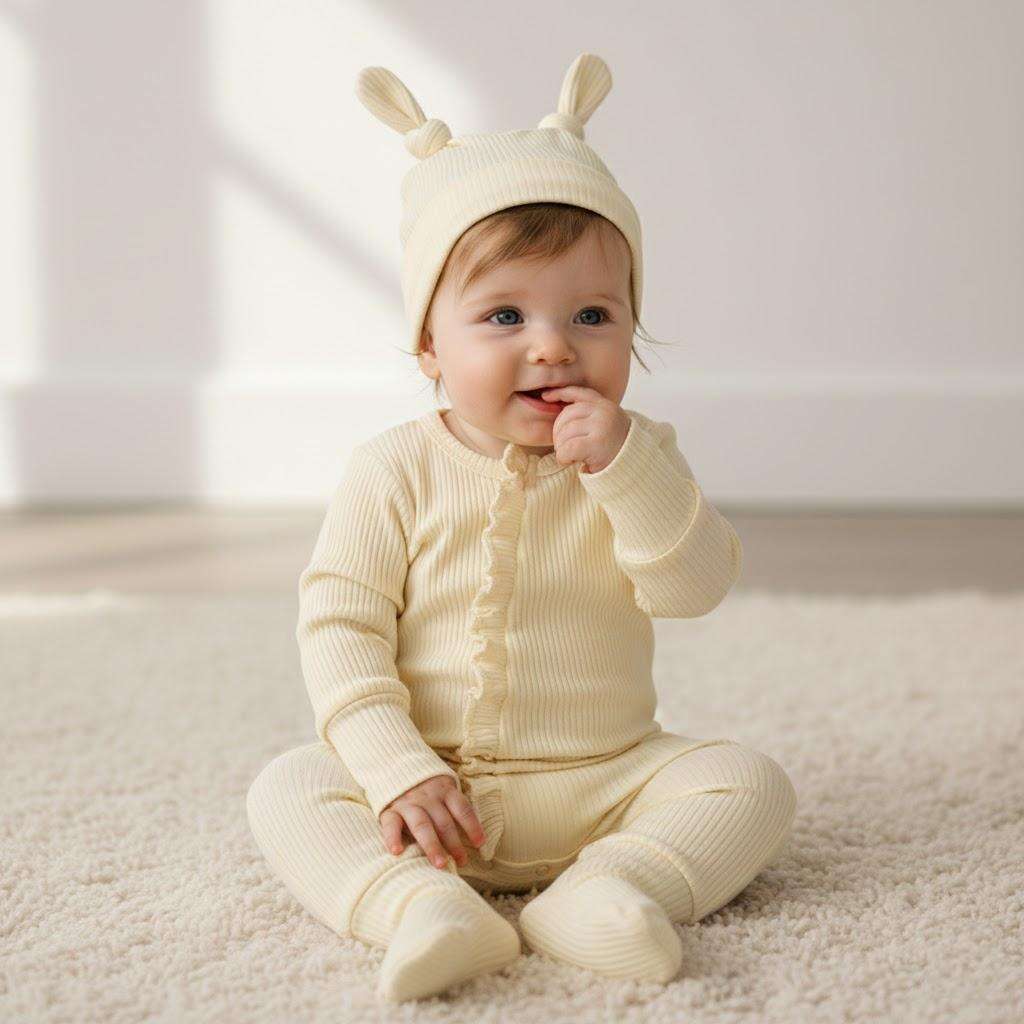
As parents become increasingly eco-conscious, sustainability is no longer a “bonus feature”—it is a core requirement in children’s apparel. Kidswear brands across Europe and the United States are transitioning toward greener textile options that protect the planet while ensuring safety and comfort for young children.
If your brand is planning to expand into sustainable collections or create a full eco-friendly product line, understanding the best materials available today is essential. This guide walks you through 15 top eco-friendly materials suitable for kidswear, explaining their benefits, applications, and market relevance.
1. Organic Cotton
Organic cotton is the foundation of sustainable kidswear.
It is grown without pesticides, synthetic fertilizers, or genetically modified seeds.
Key Benefits
•Hypoallergenic and gentle on sensitive skin
•Breathable and soft
•Supports regenerative agriculture
•Better for farmers and ecosystems
Best Used For
Baby rompers, onesies, pajamas, T-shirts, underwear, everyday basics.
2. GOTS-Certified Cotton
GOTS (Global Organic Textile Standard) goes beyond organic farming—it also certifies the entire production chain, including spinning, dyeing, printing, and sewing.
Advantages
•Strict testing for toxins
•Social compliance requirements
•Ensures product safety for infants and toddlers
Ideal For
Premium organic collections aimed at European and U.S. markets.
3. Recycled Cotton
Recycled cotton uses garment cutting scraps or used garments to create new yarns.
Why It’s Eco-Friendly
•Reduces textile waste
•Saves water and energy
•Avoids new cotton cultivation
Use Cases
Casual kidswear, joggers, sweatshirts, loungewear.
4. Bamboo Viscose (Eco-Processed)
Bamboo grows rapidly without fertilizers and requires little water.
When processed through closed-loop systems, it becomes an eco-friendly fabric option.
Benefits
•Naturally soft and silky
•Anti-bacterial
•Strong moisture-wicking ability
•Cooling for summer wear
Applications
Baby leggings, undershirts, bath towels, swaddles.
5. Linen (Flax Fiber)
Linen is one of the most sustainable fibers on Earth.
Advantages
•Requires almost no irrigation
•Naturally antibacterial
•Highly breathable
•Long-lasting
Perfect For
Summer dresses, shirts, bloomers, unisex sets.
6. Hemp Fiber
Perhaps the most eco-friendly fiber today.
Why Hemp Is Outstanding
•No pesticides required
•Strengthens soil health
•Durable yet breathable
•Softens with washing
Kidswear Uses
Utility-style pants, shirts, outerwear.
7. Tencel™ Lyocell
Produced by Lenzing, Tencel™ is made through a closed-loop solvent process, meaning 99% of the solvent is recycled.
Benefits
•Smooth and silky
•Dyes well
•Moisture-wicking
•Biodegradable
Applications
Premium dresses, skin-friendly tees, baby rompers.
8. Modal (Eco-Processed)
Another cellulose fiber known for its softness.
Eco Advantages
•Source trees grown sustainably
•Lower chemical usage
•Long-lasting color retention
Best Used For
Sleepwear, leggings, baby basics.
9. Recycled Polyester (rPET)
Although synthetic, recycled polyester significantly reduces environmental impact.
Benefits
•Made from plastic bottles and marine waste
•Durable and flexible
•Reduces landfill and ocean pollution
Use Cases
Activewear, jackets, certain trims.
10. Recycled Nylon
Used for performance and outerwear.
Eco Attributes
•Made from fishing nets & nylon waste
•Lowers reliance on new petroleum
•Lightweight and strong
Applications
Outdoor wear, rain jackets, performance leggings.
11. Wool (Ethically Sourced / mulesing-free)
For winter collections, responsibly sourced wool is a sustainable choice.
Why It’s Eco-Friendly
•Renewable and biodegradable
•Naturally flame-resistant
•Excellent insulation
Kidswear Use
Knitted sweaters, cardigans, socks, scarves.
12. Organic Wool
A premium-grade wool free from pesticides, chemicals, and unethical sheep farming practices.
Features
•Hypoallergenic
•Breathable warmth
•Ideal for babywear
Best For
Premium winter collections.
13. Cork Fabric
One of the most innovative eco-materials today.
Eco Benefits
•Harvesting cork does not harm the tree
•100% renewable
•Water-resistant
•Vegan
Uses
Accessories for kids: bags, soft shoes, hats.
14. Mushroom Leather (Mycelium Leather)
Sustainable fashion’s rising star.
Why It’s Unique
•Made from mycelium (fungal roots)
•Fully biodegradable
•No animal or plastic content
Applications
Brand add-ons: patches, trims, accessories.
15. Natural Plant-Dyed Fabrics
This is one of the fastest-growing sustainable categories in kidswear—and a key advantage for boutique brands.
Eco Advantages
•Zero petrochemical dyes
•Non-toxic for baby skin
•Made from botanical ingredients (pomegranate, madder, indigo, gardenia, walnut shell, etc.)
•Biodegradable color sources
Perfect For
Dresses, tees, sweatshirts, pants, newborn sets, loungewear.
How Kidswear Brands Can Combine These Materials
Eco-materials work even better when combined:
•Organic cotton + plant-dyeing → premium natural color collections
•Tencel + natural dyes → silky high-end girlswear
•Hemp + organic cotton → durable outdoor kidswear
•Bamboo + modal → super-soft sleepwear
Mixing materials creates differentiated SKUs and strengthens brand storytelling.
Why These Materials Matter for Kidswear Brands in 2026
1. Consumer Demand Is Rising
Parents in Europe and the U.S. actively search for:
•organic
•plant-dyed
•natural fiber
•toxin-free children’s clothing
2. Regulatory Pressure
Regions require strict compliance:
•CPSIA
•OEKO-TEX 100
•REACH
•GOTS
Eco materials help brands pass these tests easily.
3. Brand Differentiation
In a crowded market, sustainability helps brands stand out with:
•stronger storytelling
•higher perceived value
•ethical identity
4. Higher Retail Pricing
Eco-friendly kidswear often earns 30–80% higher retail prices.
Conclusion: Eco Materials Are the Future of Kids Fashion
Eco-friendly materials are no longer niche—they are becoming mainstream. For kidswear brands, adopting sustainable textiles is the fastest path to healthier clothing, stronger branding, and long-term market success.
Whether you’re designing casual basics, high-end fashion pieces, or complete custom OEM/ODM lines, the materials listed here can help you create safer, greener, and more competitive collections.
Table of Contents
- 1. Organic Cotton
- 2. GOTS-Certified Cotton
- 3. Recycled Cotton
- 4. Bamboo Viscose (Eco-Processed)
- 5. Linen (Flax Fiber)
- 6. Hemp Fiber
- 7. Tencel™ Lyocell
- 8. Modal (Eco-Processed)
- 9. Recycled Polyester (rPET)
- 10. Recycled Nylon
- 11. Wool (Ethically Sourced / mulesing-free)
- 12. Organic Wool
- 13. Cork Fabric
- 14. Mushroom Leather (Mycelium Leather)
- 15. Natural Plant-Dyed Fabrics
- How Kidswear Brands Can Combine These Materials
- Why These Materials Matter for Kidswear Brands in 2026
- Conclusion: Eco Materials Are the Future of Kids Fashion